 MARK
What It Costs to Climb Kilimanjaro
A six-day Kilimanjaro climb typically costs between $2,100 and $3,900 per person, or roughly £1,650 to £3,100. That is $350 to $650 a day.
The spread is not random. Longer routes cost more because park fees, crew wages and food are all charged by the day. And the cheapest quote in the list usually saves its money somewhere that matters on summit night.
This page breaks down what the price covers, what it does not, and what the mandatory park fees actually come to. All figures are 2026 rates.
What the Operator Price Covers
A realistic package should include all of the following. If any of it is missing, ask why, because it is being cut from somewhere.
- Park fees, permits and the rescue levy
- Crew wages for your guide, assistant guides, cook and porters
- All food and drinking water on the mountain
- Tents, mess tent, tables, chairs and cooking equipment
- Safety kit: oxygen, first aid, radio or satellite contact, and daily health checks
- Transfers between Moshi or Arusha and the park gate
- A night in a lodge before and after the climb, on most packages
What It Doesn't Cover
The operator fee is not your total. Budget for these separately, because most quotes leave them out.
| Extra | Typical cost |
|---|---|
| Flights to Kilimanjaro (JRO) | $800 to $2,400 return, depending on season and route |
| Tanzania visa | $50 to $100 |
| Travel insurance with altitude cover | $100 to $300 |
| Crew tips | $250 to $350, split across the team |
| Boots, layers and personal kit | $200 to $400, or rent the big items |
| Airport transfers | $40 to $80 each way |
| Extra nights in Moshi | $30 to $150 a night |
| SIM or eSIM data | $10 to $30 |
Insurance matters more than people expect: most standard policies stop covering you above 4,000 m, so check that yours includes trekking to 6,000 m.
The Park Fees, Broken Down
These are fixed by the park authority and charged per person, excluding 18% VAT. Non-resident rates are $70 per day for park entry, $50 per night for camping, and a $20 rescue levy.
On a six-day climb that is six days of entry and five nights of camping: $420 plus $250 plus $20, which is about $690 before VAT and roughly $810 with it. A seven-day route lands nearer $950 to $1,000.
It is the single largest fixed cost in any quote. Which is the useful part: if someone advertises seven days for $1,200, the park fees alone are most of that, and the crew is being paid out of what is left.
Why the Cheapest Quote Costs More
Kilimanjaro is climbed with a crew: a guide, assistant guides, a cook and porters who carry the camp and the water. That labour is the variable every operator controls, and it is where a low price comes from.
- Porter welfare: look for membership of a porter monitoring scheme. Underpaid crews carry too much and eat too little, and that is not a moral footnote on a mountain where the crew keeps you alive.
- Safety equipment: oxygen, a pulse oximeter and radio contact cost money. Ask what is carried.
- Acclimatisation: the cheaper six-day version of a route removes a day that exists to help you reach the top. Fewer days, lower summit rates.
A six-day climb is a legitimate choice, and a well-run one is better than a badly run seven-day trip. The question is where the saving came from.
Cost by Route Length
- 6 days: $2,100 to $3,900. The range in this guide, covering Machame, Marangu and Rongai itineraries.
- 7 to 8 days: expect roughly $300 to $600 more. Extra park fees, extra crew days and extra food, with a better summit rate.
- 8 to 9 days: the Northern Circuit is the most expensive, and the quietest, with the best acclimatisation of any route.
Private climbs cost more than group departures because the crew cost is shared across fewer people. Solo climbers should ask about the single supplement before comparing prices.
A Second Opinion, If It Helps
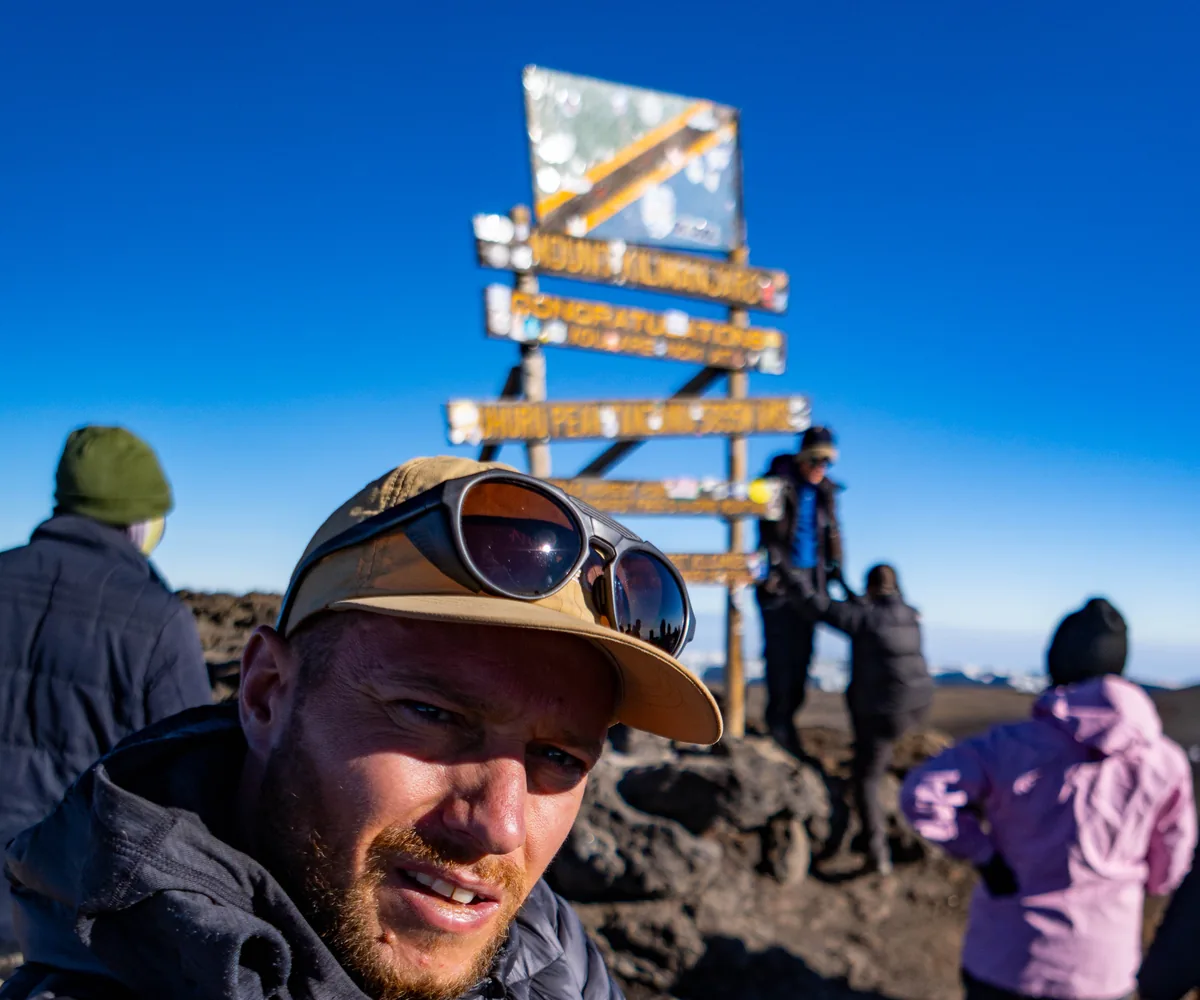
Uhuru Peak, 14 September 2026, around 07:15.
I climbed Kilimanjaro in September 2026 and I still have contacts with operators in Tanzania. If you are weighing up quotes, send me one and I will tell you whether it looks realistic, or where the money is going.
I am not going to tell you the cheapest is always wrong, because it is not. But there is a floor below which the numbers stop working, and it is worth knowing where that is before you pay a deposit.
Common Questions
Is $2,000 enough to climb Kilimanjaro?
It is at the very bottom of the realistic range for a short climb, before flights. For six days, all in from the UK, budget nearer £2,500 to £4,000 once flights, tips and insurance are included.
Are park fees included in the price?
On a reputable package, yes. They are compulsory and cannot be avoided, so ask for the breakdown and check the figure is realistic for your route length.
Do you tip the crew?
Yes. Tipping is a normal part of the cost, usually $250 to $350 split between guides, cook and porters, with the operator advising on distribution.
Is it cheaper to book with a local operator?
Usually, because you are not paying a European agency margin. The trade-off is that you carry more of the risk if something goes wrong, so check licensing, insurance and crew welfare rather than price alone.